Substance use disorder (SUD) is a complex condition characterized by problematic patterns of substance use that can cause distress and impact the quality of life and health of an individual. SUD is a health condition, not a moral failing from mild, moderate, to severe.
According to the 2023 National Survey on Drug Use and Health (NSDUH), 48.5 million people in the United States aged 12 years or older (17.1% of the total population) reported having a SUD in the past year.
Substances involved can be legal or illegal and prescribed or not prescribed. And a person can have more than one SUD at a time. For example, a person can have alcohol use disorder and a cocaine use disorder.
There is hope. Substance use disorder is preventable and treatable.
Learn More About Substance Use Disorders
What is Substance Use Disorder (SUD)?
Substance use disorder (SUD) is a complex condition characterized by patterns of substance use that cause distress and impact the quality of life and health of an individual. Patterns of symptoms from substance use can help a doctor diagnose a person with a SUD or SUDs and connect them to appropriate treatment. SUDs are a health condition, not a moral failing.
Other important things to note about SUDs:
SUDs can range in severity from mild to severe.
SUDs can affect people of any race, sex, income level, or social class.
SUDS can involve substances that legal or illegal and prescribed or not prescribed.
A person can have more than one SUD at a time. For example, a person can have alcohol use disorder and a cocaine use disorder.
How do Drugs Affect the Brain?
Drugs impact the brain’s reward system by flooding it with dopamine. Dopamine is a neurotransmitter that creates feelings of pleasure. But it also helps your body with other important functions like:
Learning
Judgment
Decision-making
Stress management
Memory
Behavior
When you use drugs, over time your the brain adapts to the flooding of dopamine by reducing its response to dopamine. This leads to dopamine tolerance, which means you may need more of the drug to achieve the same high as before. Tolerance to dopamine also reduces your ability to enjoy other activities and can impact all the other key roles dopamine plays in your body listed above like memory, stress management, etc.
Can Substance Use Disorder be Treated?
Like many other chronic conditions (like diabetes and high blood pressure) treatment is available for substance use disorders.
There are many evidence-based treatment options. A doctor can help you find a treatment or recovery option that will work best for your needs and your goals.
Treatment & Recovery Options Include:
Outpatient Counseling (does not involve overnight stays)
Contingency Management (often used for stimulant use disorders)
Harm Reduction Strategies
Peer Support Groups
and more!
Many folks also combine different treatment options to reach their own recovery and health goals.
What is Recovery?
Recovery is a process of change where a person improves their health and wellbeing and their ability to live a self-directed life. Recovery helps individuals reach their full potential as they define it.
Recovery looks different person to person. For some people, recovery is total abstinence from drugs including alcohol. For others, recovery involves changing their relationship with one or more substances to improve their health, wellbeing, and ability to live a self-directed life.
Recovery can include medications, ongoing peer support, therapy, moderation or abstinence, harm reduction, or a combination of these techniques.
You get to decide what recovery looks like for you and the services that would best help meet your recovery goals.
What are Medications for Opioid Use Disorder (MOUD)?
Medications for Opioid Use Disorder (MOUD) refers to medications that help people reduce or stop using non-prescribed opioids safely.These medications are proven to be safe and effective in helping people reach their recovery goals.
The most common MOUD options are:
Buprenorphine (aka Bupe)
Methadone
Naltrexone
You can learn more about each of these options and some commonly asked questions here. A provider can also help you decide which option would work best for your needs and goals.
What is Contingency Management?
Contingency Management (CM) is an evidence-based treatment that provides motivational incentives (rewards) to treat individuals living with stimulant use disorder. These rewards support positive behavior changes made by an individual towards their recovery goal. For example, in some CM treatment programs individuals are rewarded for drug screens that do not detect stimulants. Often times the rewards grow as an individual has consecutive (back-to-back) drug screens that don’t detect stimulants. The rewards grow as the progress towards the recovery goal grows.
Currently, CM is the only treatment for stimulant use disorder that has robust evidence supporting its effectiveness in reducing or ceasing use of stimulants.
A individual can do these type of treatment through an in-person program/provider but there are also virtual or app-based CM programs as well.
How Does Stigma Impact Prevention and Treatment?
Stigma is a set of negative and unfair beliefs that a society or a group of people have about something.
Stigma or fear of stigma can prevent a person from sharing their substance use and seeking out and getting the help they may want or need to address their substance use.
Some examples of stigma related to substance use are:
assuming someone doesn’t want to change their behavior
considering substance use disorders a moral failing rather than the health issue they are
absence or lack of training given to first responders and health care professionals about substance use disorders
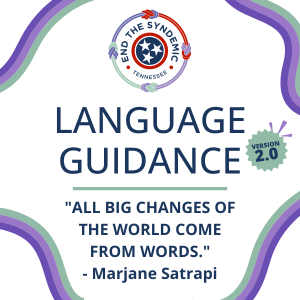
One way to reduce stigma around substance use disorders is to use more compassionate language about this health topic. The End the Syndemic Language Guide here discusses some quick language fixes to reduce stigma. Another strategy is to spread education about substance use that is rooted in evidence rather than value judgements.
Reducing stigma is critical to helping folks impacted by substance use build community and connect to life-saving care.
Find Substance Use Disorder Services Near You!
Substance Use Treatment
Syringe Services Programs
FindTreatment.gov is a confidential and anonymous resource for persons seeking treatment for mental and substance use disorders in the United States and its territories.
FindTreatment.gov is the most comprehensive resource for persons seeking treatment for mental and substance use disorders in the United States and its territories. FindTreatment.gov provides the ability to search for substance use and mental health facilities, health care centers, and opioid treatment providers.
How it works
If you know the 5-digit ZIP code of the area where you are, you may get better results. If you don’t, you can just use the nearest city and state, like Knoxville, TN.
Use the filter options on the left hand side to select the type of services you are interested in.
Once you have selected all the filters you desire the right hand side will have details for all the services in your area that meet your needs.
Click the “More Info” button to learn more about a service or the blue arrow with the miles right below it to navigate to the service.
The Tennessee Syringe Services Program (SSP) Location Map helps people find and connect with nearby SSPs across the state.
How it works
Use the interactive map or agency list to search by city, county, state, zip code, or address. Selecting an agency will highlight it on the map and in the list. Click “Learn More” to view available services and site-specific information, or “Click Here for Directions” to get directions from your current location.
Operational hours and services may change. Please contact the agency directly to confirm current hours, locations, and services.
Additional Programs and Resources in TN
This section offers additional programs in Tennessee addressing the prevention and treatment of substance use disorders.
Click the purple button below the brief program description to learn more and connect with a program of interest.
988 offers 34/7/365 access to trained crisis counselors who can help people experiencing mental health-related distress call or text 988 or click below to learn more
Below are free downloadable education materials designed to share practical information, strengthen health education, and support conversations about substance use. Materials may be downloaded, printed, and shared to help expand access to clear, supportive, and evidence-based substance use prevention, treatment, and harm reduction information across Tennessee.