






Harm Reduction

Expanding access to evidence-based and compassionate services

Harm Reduction Saves Lives is Evidence-Based Prevents Overdose Prevents HIV Prevents HCV Breaks Stigma Creates Connections Changes Lives Builds Community

Harm Reduction is a set of practical strategies to empower people who use drugs (and their families) with the choice to live healthy, self-directed, and purpose-filled lives.

It is a movement built on the belief in, and respect for, the rights of people who use drugs.

And it incorporates a spectrum of strategies that includes safer use, managed use, abstinence, and meeting people who use drugs “where they’re at.”

Impact of Syringe Services Programs (SSPs)

Syringe Services Programs (SSPs) are changings lives every single day in Tennessee. Has an SSP improved your life or community? Share your story in the contact form at the bottom of the webpage. 

Syringe Services Programs (SSPs) are supported by over 30 years of evidence demonstrating their effectiveness in improving health and reducing harm. In 1998, the U.S. Department of Health and Human Services determined, following comprehensive reviews by federal public health agencies including the U.S. Public Health Service and the U.S. Surgeon General, that SSPs are an effective public health intervention and are not associated with increased drug use.

SSPs often serve as low-barrier points of care designed to meet people where they are. For many, SSPs are a first connection to healthcare, testing, and treatment.

Click headers below to learn about how SSPs are improving health and community safety.

Syringe Services Programs (SSP) provide sterile syringes to reduce sharing and prevent transmission of bloodborne pathogens such as HIV and hepatitis C. They also prevent costly infections, including endocarditis, by reducing syringe reuse. In addition, SSPs play a key role in providing access to HIV and hepatitis C testing and connecting individuals to treatment and care.

A large body of research demonstrates that SSPs reduce the transmission of HIV and hepatitis C virus (HCV). SSPs are associated with an estimated 50% reduction in HIV and HCV infections among people who use drugs and further reduction in transmission when combined with substance use treatment. Because of their proven effectiveness, SSPs are a key strategy of the Ending the HIV Epidemic initiative and the Viral Hepatitis National Strategic Plan.

Using non-sterile injection equipment can increase the risk of severe infections, including heart, bloodstream, and skin infections. SSPs help reduce these risks by providing sterile equipment, safe disposal options, and access to basic care supplies.


Syringe Services Programs (SSP) are a key access point for treatment and healthcare, not only a place for sterile syringes. Evidence shows that people who use SSPs are more likely to enter substance use treatment and reduce or stop drug use.

A review of over 30 years of research found that SSPs often serve as an entry point to care, including medications for opioid use disorder, residential treatment, and other services, with some studies suggesting participants may be up to five times more likely to enter treatment and three times more likely to reduce or stop drug use.

Syringe Services Programs (SSP) equip participants with training and tools to recognize and respond to overdose, helping save lives. SSPs also ensure participants have direct access to naloxone at no cost, putting life-saving medication in the hands of those most likely to need or use it. Since 2018, Tennessee SSPs have distributed over 520,000 naloxone kits to participants across the state.

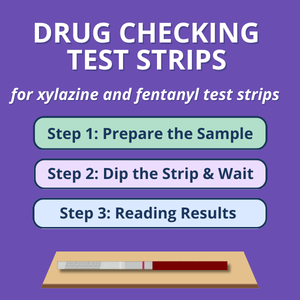
SSPs also provide drug checking supplies, such as fentanyl and xylazine test strips, to help people detect substances that may increase overdose risk or other harms. Research shows that people who use fentanyl test strips are more likely to take protective steps, such as carrying naloxone, avoiding using alone, or not using. In Tennessee, local research found that among participants who used test strips, 78% reported at least one positive behavior change and 93% felt better equipped to protect themselves, underscoring the real-world impact of this simple but powerful tool.

In a state that loses nearly 10 people every day to overdose, SSPs are ensuring lifesaving resources are already in our communities.

Concerns that Syringe Services Programs (SSP) might increase drug use or crime have been studied extensively. Nearly 30 years of research has shown that SSPs do not increase illegal drug use, do not increase crime, and do not lead to higher rates of syringe litter in communities.

Research has found that areas with SSPs have 86% fewer syringes in places like sidewalks and parks. SSPs have a tremendous impact just by diverting hazardous waste from streets, parks, and public spaces.

SSPs enhance public safety and protect first responders, law enforcement, and waste management staff. On average, 1 in 3 police officers face a risk of needlestick injuries. Some studies have found that SSPs keep first responders safe by reducing police needlestick injuries by 67%.

Syringe Services Programs (SSPs) are a cost-effective public health strategy, offering a strong return on investment by reducing preventable healthcare costs. Preventing just one case of HIV, hepatitis C, or endocarditis can save an estimated $420,000, $84,000, and $250,000 in healthcare expenses, respectively.

Research has shown that SSPs can prevent thousands of new HIV infections. In two cities alone, SSPs were estimated to have prevented thousands of cases and saved approximately $243 million and $62 million in healthcare costs in a single year.

Similar impacts have been seen in rural communities. In Scott County, Indiana (comparable to many areas in Tennessee) SSP efforts were associated with significant reduction in syringe sharing, new HIV cases, and new hepatitis C cases. These outcomes saved an estimated $120 million in taxpayer costs.

Investing in SSPs means investing in healthier communities and avoiding costly, preventable outcomes. This approach is both effective and critical for Tennessee.

SSPs support health and stability by meeting people where they are and connecting them to essential services, including overdose prevention, medical care, and social support. Improved health and stability can help individuals care for themselves and their families, participate in the workforce, and engage in their communities. Furthermore, many Tennessee SSPs actively employ staff with lived experience, including former participants. These opportunities foster financial stability, personal growth, and create a deeply connected workforce, as reflected in this story:

“I was in active addiction and a participant for several years. And after talking to the staff, I decided I wanted to be like them and help people like me. I started volunteering my time here, I started my recovery journey, and a couple of months ago, they hired me. Now I’m at college and getting my social work degree. They helped give me a second chance at life. I want to give that chance to others. “

Locate an SSP Near You!

The Tennessee SSP Location Map helps people find and connect with nearby SSPs across the state.

Use the interactive map or agency list to search by city, county, state, zip code, or address. Selecting an agency will highlight it on the map and in the list. Click “Learn More” to view available services and site-specific information, or “Click Here for Directions” to get directions from your current location.

Operational hours and services may change. Please contact the agency directly to confirm current hours, locations, and services.

Tennessee Harm Reduction Hub

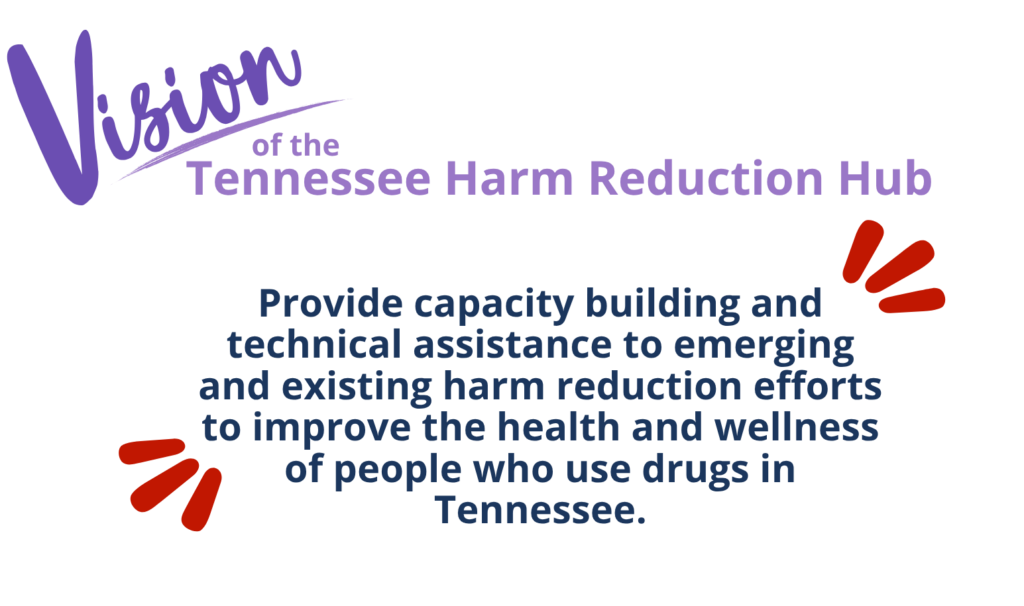
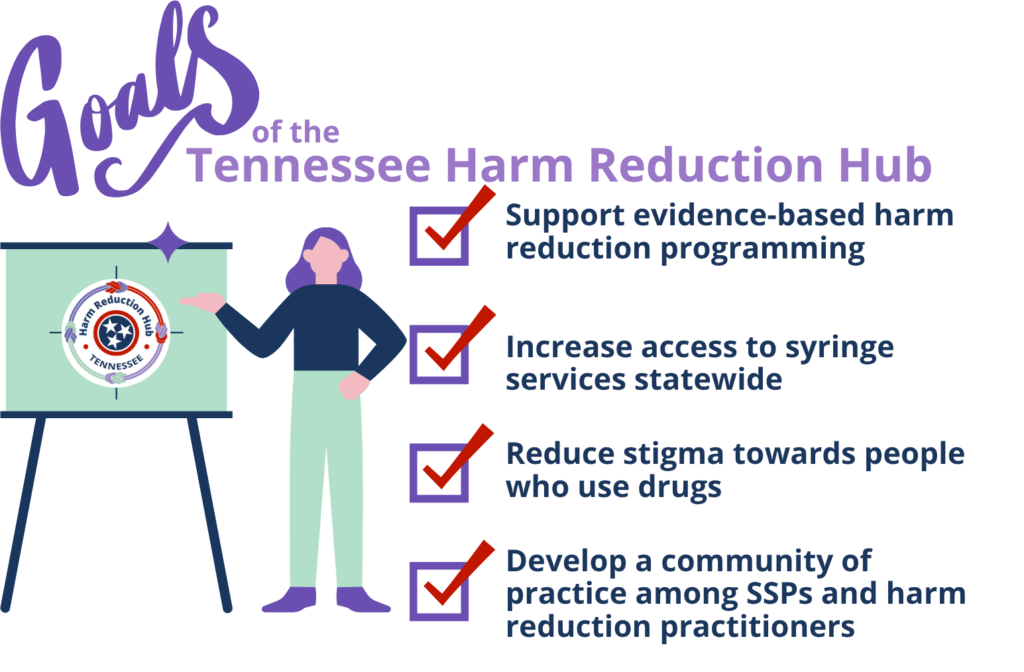
The Tennessee Harm Reduction Hub is a statewide resource and capacity-building center dedicated to strengthening harm reduction services and syringe services programs (SSP) across Tennessee. The Harm Reduction Hub supports providers, programs, and community partners through training, technical assistance, and practical tools that promote responsive, evidence-informed approaches to substance use, drug-related harms, infectious disease prevention, and the broader health and social needs of people who use drugs. Grounded in the unique needs of Tennessee and the South, the Tennessee Harm Reduction Hub helps build a more informed, connected, and responsive harm reduction workforce while supporting the development and sustainability of new and established SSPs.

This project is funded under a Grant Contract with the Tennessee Opioid Abatement Council.

SSP Application Support 

Resources below provides guidance and resources for organizations interested in establishing and operating a SSP in Tennessee. Nongovernmental programs and local health departments may apply to become an SSP in Tennessee.

Before applying, organizations need to review Tennessee’s SSP legislation, T.C.A. Title 68, Chapter 1, to understand the requirements for approval and operations. All SSPs and any proposed operating locations must be approved by the Tennessee Department of Health before services begin.

This section includes guidance on the application process, planning resources, and tools to support successful SSP implementation. Organizations interested in applying, or those with questions about the application process, are encouraged to reach out to SSP.Health@tn.gov for support.

The SSP Application Process

Contact the SSP Team

Start your SSP application by contacting the SSP team. You can reach the SSP team at SSP.Health@tn.gov or use the contact form at the bottom of this page

Review Guidance

Review the application guidance documents below. These guides were developed to help agencies understand various application requirements.

Get Ongoing Support

The SSP team can review pieces of your application as you work through it to support a smoother application submission. Email us questions at SSP.Health@tn.gov 

Submit Your Application

Once you have all the pieces of your application together, upload all required documents and submit your completed application.
Application is Reviewed

Once submitted, the SSP Team will conduct the initial review and may request revisions and resubmission as needed. Complete applications are sent to the Commissioner of Health for final review.
Approval to Operate & Next Steps

If your application is approved and signed by the Commissioner of Health, the SSP Team will contact you to share your SSP approval, confirm your operational details, and schedule an SSP orientation call to review next steps and ongoing requirements.
SSP Planning and Application Resources

A guide for new agencies who have never been approved to operate an SSP before

A guide for local health departments navigating the SSP application process

A guide for already-approved agencies establishing an SSP in the county where have been previously approved for operations

A guide for already-approved agencies establishing an SSP in a different county than where they have been approved for operations

Guidance and resources for developing an SSP in the State of Tennessee  

Guidance to help SSPs find funding to start syringe services and diversify their funding 

Guidance on best practices for disposing of syringes and related biohazardous materials for SSPs

Guidance on best practices for developing and sharing safety and security plans for SSPs

Harm Reduction ECHO – Virtual Learning Community 

The Tennessee Harm Reduction Project ECHO is a virtual learning community designed to strengthen knowledge, skills, and collaboration among providers, harm reductionists, and community partners through evidence-based information and best practices that improve drug user health across Tennessee.

Missed a session? No problem! Recorded sessions are available on the Tennessee Harm Reduction Project ECHO YouTube channel, so you can catch up on past topics anytime! Check out all our recordings below and subscribe to our YouTube channel!

Stigma Reduction Video Series (coming soon)

Below are videos, educational materials, and practical tools to support respectful, informed, and compassionate conversations about substance use, harm reduction, and people who use drugs. Stigma can negatively impact individuals and communities by creating barriers to support, services, and care while making it harder for people to feel safe, respected, and welcomed in healthcare and community settings.

By reducing stigma, we can build safer and more welcoming spaces, strengthen connection, and support healthier outcomes for people, families, and communities across Tennessee.

Social Media Library (coming soon)

This section includes free downloadable syndemic education materials designed to share practical information, strengthen health education, and support conversations about substance use, overdose prevention, infectious disease prevention, safer use, and connection to care. Materials may be downloaded and shared on social media sites to help expand access to evidence-based information.

Media Filter

Social Media Repository Filter

Language

Social Media Language Filter

FREE Harm Reduction Education Materials 

Below are free downloadable harm reduction education materials designed to share practical information, strengthen health education, and support conversations about substance use, overdose prevention, infectious disease prevention, safer use, and connection to care. Materials may be downloaded, printed, and shared to help expand access to clear, supportive, and evidence-informed harm reduction information across Tennessee.

Language Selector
Language Selector Checkbox
End the Syndemic Language Guidance
Benefits of SSPs in Tennessee
Compassionate Overdose Response & Rescue Breathing Guide
Drug Checking Test Strip Instructions
HIV Prevention Toolbox: Sterile Syringes & Equipment
Medication Options for Opioid Use
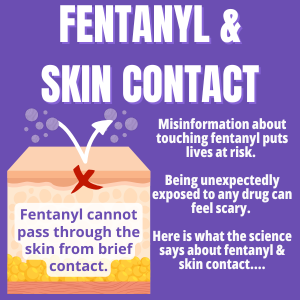
Fentanyl & Skin Contact Flyer
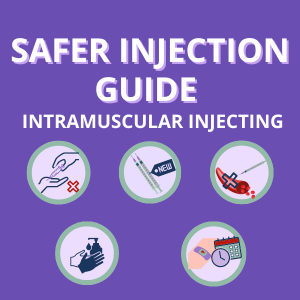
Safer Injection Guide
Basic Wound Care Guide for Harm Reduction Programs
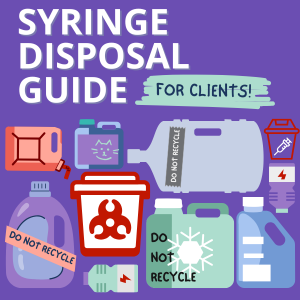
Syringe Disposal Guide for Clients
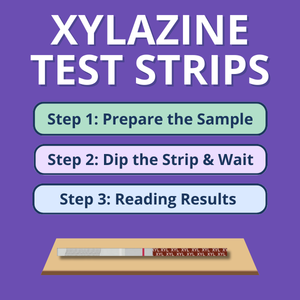
Xylazine Test Strip Instructions
Safer Injection Guide: Subcutaneous Injecting

Data Products and Dashboards

Explore Tennessee data related to drug user health, overdose, infectious disease, and other syndemic indicators. These tools can support local planning, program development, grant writing, and community response efforts. 

TN Fatal Overdose Data 

TN Nonfatal Overdose Data

Syringe Services Program Data

TN HIV Epidemiological Profile

TN VH Epidemiological Profile

TN People Who Use Drugs Needs Assessment Report 

Request On-Demand Support

Want to know more about SSPs and harm reduction? Want to request a resource? Interested in applying to become an SSP in Tennessee?

Connect with the SSP Team at SSP.health@tn.gov 

Please allow 2-3 business days for a response.